Marketing Lesson Plans in Cyprus: How to Create an Effective Marketing Curriculum
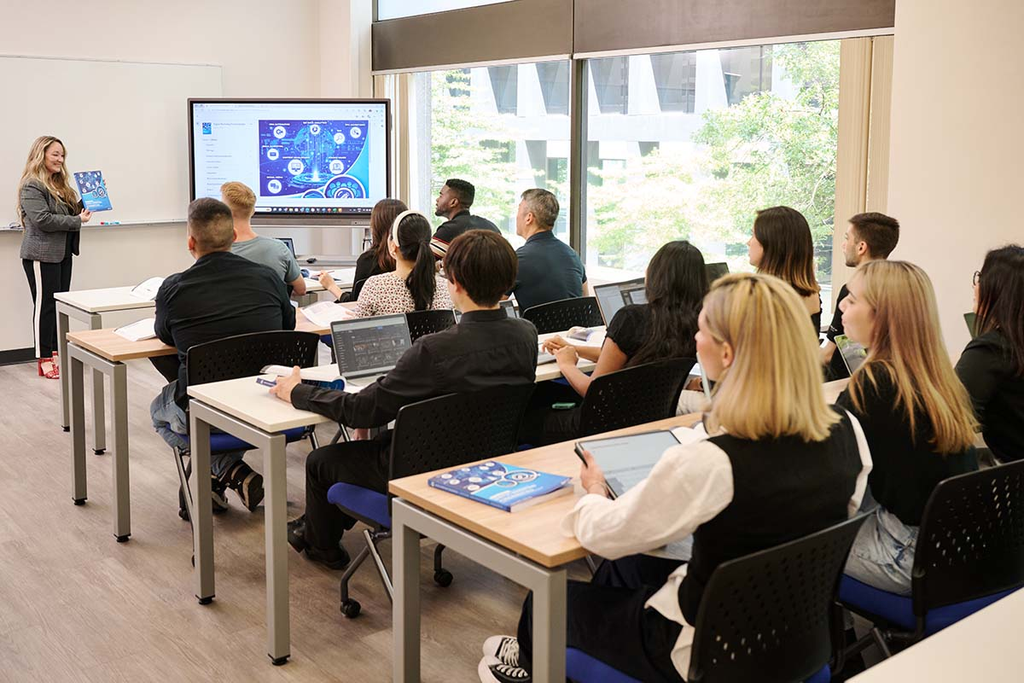
Marketing lesson plans that are effective will make sure that it is easy for teachers to organize necessary ideas through well-designed learning exercises. The marketing knowledge of teachers is developed through well-organized topics and exercises in class. Learners get a proper background by getting lessons on the customer, market, brand, and communication.
Marketing educators should introduce fundamental concepts through progressive classroom activities strategically. Students learn about marketing procedures from lessons about value, customers, competition, and marketing objectives. In Cyprus University, marketing theories, marketing strategies, customer behavior, and marketing research are learned systematically. It will be easy for teachers to link all these areas by using systematic learning procedures.
An effective curriculum will have measurable goals through all stages of teaching. Teachers will be able to set their goals concerning knowledge, skills, analysis, and application. Critical thinking will be developed by students through marketing problems and discussions in class.
Establishing Clear Learning Objectives For Students
Learning objectives must be determined first before teachers prepare the lesson. This is because the objectives must state explicitly the knowledge, analysis, creation or evaluation that the learner would do. Teachers can easily link each learning objective to appropriate activities and evaluations. Students therefore understand expected achievements through clearly communicated learning targets throughout.
Marketing educators should balance knowledge and practical skills through curriculum objectives strategically. Students can analyse markets through research exercises and consumer behaviour activities practically. They can develop communication abilities through branding, advertising, and presentation tasks regularly. These objectives create useful progression through different stages of marketing education effectively.
The University of Cyprus highlights knowledge, modern tools, critical thinking, teamwork, and marketing practice through programme outcomes. Teachers can reflect similar priorities through carefully designed classroom objectives consistently. Educators should therefore combine conceptual understanding with practical marketing capabilities throughout. Students gain broader preparation through objectives connecting academic learning with professional expectations effectively.
Selecting Core Marketing Topics For Curriculum Development
Careful thought should be exercised in choosing relevant topics for marketing from the curriculum. Initial lessons could include marketing principles, customer value, segmentation, targeting, and positioning. Subsequent lessons could focus on marketing research, consumer behavior, communication, and strategic planning. Advanced topics can then develop digital, international, retail, and relationship marketing knowledge progressively.
The University of Cyprus includes strategic marketing, research, communications, sales, digital marketing, social media, and international marketing through its marketing specialisation. Educators can adapt these areas through suitable programme levels strategically. Students should encounter related subjects through increasingly complex learning activities progressively. This approach helps teachers maintain curriculum coherence across multiple learning stages effectively.
Digital marketing should complement traditional concepts through contemporary classroom activities appropriately. Cyprus University of Technology includes digital marketing analytics, search, social media, optimisation, and conversion through coursework. Teachers can integrate these subjects through practical exercises and case discussions effectively. Students consequently understand marketing changes through both traditional and digital perspectives clearly.
Designing Lessons Around Practical Marketing Activities
Teachers can strengthen marketing lesson plans through practical tasks that mirror workplace situations effectively. Students can examine fictional businesses through market analysis exercises regularly. Educators can assign campaign development through realistic customer and business scenarios carefully. These activities help learners connect theoretical concepts with practical decisions successfully.
Classroom projects can develop marketing abilities through collaborative problem-solving activities effectively. Students can create positioning strategies through guided market research exercises practically. They can design promotional campaigns through structured communication challenges creatively. Teachers can assess these projects through presentations, reports, and reflective discussions consistently.
Cyprus University of Technology uses case studies and projects through marketing and advertising courses practically. Educators can adopt comparable activities through classroom-based marketing challenges effectively. Students gain practical confidence through repeated opportunities for research and strategic thinking regularly. Practical teaching therefore makes marketing concepts easier to understand and apply successfully.
Integrating Consumer Behaviour And Market Research

Teachers should integrate consumer behaviour through lessons explaining purchasing decisions carefully. Students can investigate customer motivations through surveys, interviews, and observation activities practically. Marketing research lessons can introduce sampling, questionnaires, data collection, and interpretation progressively. These activities develop analytical thinking through evidence-based marketing decisions effectively.
The University of Cyprus teaches marketing research through research design, data collection, analysis, interpretation, and presentation systematically. Educators can incorporate these stages through progressive research assignments carefully. Students can investigate simple marketing questions through guided classroom projects initially. Later assignments can develop stronger analytical abilities through independent research activities successfully.
Consumer behaviour deserves focused attention through dedicated classroom learning activities regularly. Students can examine perceptions, motivations, lifestyles, attitudes, and decision-making through case studies effectively. Cyprus University of Technology addresses consumer behaviour through psychological, social, and cultural influences systematically. Teachers can connect these influences with marketing decisions through practical examples clearly.
Adding Digital Marketing And Modern Communication Skills
Modern marketing lesson plans should include digital channels through relevant classroom learning activities strategically. Students can study search marketing through practical keyword and campaign exercises effectively. Social media lessons can develop content planning through platform-specific communication challenges practically. Analytics activities can teach students to interpret campaign performance through meaningful data carefully.
Digital marketing education should connect technology with strategic marketing thinking through integrated activities consistently. Cyprus University of Technology describes digital marketing through search, social media, optimisation, conversion, and mobile technologies. Teachers can introduce these areas through progressive practical assignments effectively. Students consequently understand digital tools through their wider marketing purpose clearly.
Educators should also teach integrated communication through modern marketing activities appropriately. Students can explore advertising, public relations, branding, and social communication through campaign projects practically. Cyprus University of Technology includes integrated marketing communication through strategic planning and communication tools systematically. Teachers can combine these disciplines through realistic campaign scenarios effectively.
Creating Assessments That Measure Marketing Skills
Teachers should design assessments through learning objectives and practical outcomes carefully. Written assignments can measure conceptual understanding through structured marketing analysis tasks effectively. Presentations can assess communication abilities through campaign proposals and strategic recommendations practically. Practical projects can evaluate planning skills through realistic marketing challenges successfully.
The marketing lesson plans must always integrate the techniques of assessment with classroom learning activities. The students should showcase their understanding by way of assignments involving practicality and not mere memorization. Case studies through strategic decision-making may be used as effective teaching tools. This approach allows educators to evaluate understanding through realistic marketing situations clearly.
Assessment should also measure analytical development through research-based marketing tasks regularly. Students can interpret market information through reports and campaign performance exercises practically. Teachers can evaluate recommendations through evidence, reasoning, creativity, and strategic relevance consistently. Balanced assessment therefore measures both academic knowledge and workplace readiness effectively.
Adapting Curriculum For Different Student Levels
Educators should adapt marketing lesson plans through student abilities and learning needs carefully. Beginners require foundational concepts through simple examples and guided classroom activities initially. Intermediate students can examine strategy through deeper cases and independent projects progressively. Advanced learners can evaluate complex marketing challenges through research-based assignments independently.
Teachers should adjust lesson complexity through progressively demanding activities strategically. Younger learners can explore marketing concepts through familiar products and everyday examples easily. Professional learners can analyse businesses through detailed strategic planning exercises practically. This flexibility helps educators maintain engagement through different learning environments effectively.
MarketingSchoolCyprus.com can complement classroom education through additional marketing learning resources strategically. Educators can reference its materials through lessons requiring broader marketing perspectives effectively. Students can reinforce classroom concepts through independent learning activities outside class regularly. Teachers can therefore extend curriculum learning through structured supplementary resources successfully.
Improving Curriculum Quality Through Continuous Evaluation

Educators should review curriculum performance through student feedback and assessment results regularly. Teachers can identify weak topics through performance patterns and classroom discussions carefully. They can revise activities through learner responses and changing industry requirements strategically. Continuous evaluation keeps marketing education relevant through measurable curriculum improvements consistently.
Teachers should compare learning outcomes with objectives through regular curriculum reviews systematically. Students can provide useful feedback through surveys, discussions, and reflective activities effectively. Educators can analyse this information through recurring review cycles carefully. These reviews help teachers strengthen lesson sequencing through evidence-based curriculum decisions successfully.
MarketingSchoolCyprus.com can support ongoing curriculum development through relevant marketing education resources effectively. Teachers can compare lesson approaches through external learning materials and professional perspectives regularly. Educators should update examples through changing technologies, customer behaviours, and market practices consistently. Curriculum improvement therefore becomes an ongoing process through structured educational review activities.
Conclusion: Marketing Lesson Plans in Cyprus
Effective marketing lesson plans connect marketing knowledge with practical learning experiences strategically. Teachers can develop strong curricula through clear objectives, relevant topics, and applied activities effectively. Students gain stronger abilities through research, communication, strategy, and digital marketing exercises practically. A balanced curriculum prepares learners through progressive academic and professional development successfully.
Educators should refine marketing lesson plans through feedback, assessment, and industry developments regularly. MarketingSchoolCyprus.com can provide additional support through useful marketing education resources for learners. Teachers can strengthen curriculum quality through practical teaching and continuous evaluation consistently. Students ultimately benefit through marketing education that develops relevant skills for professional success today.